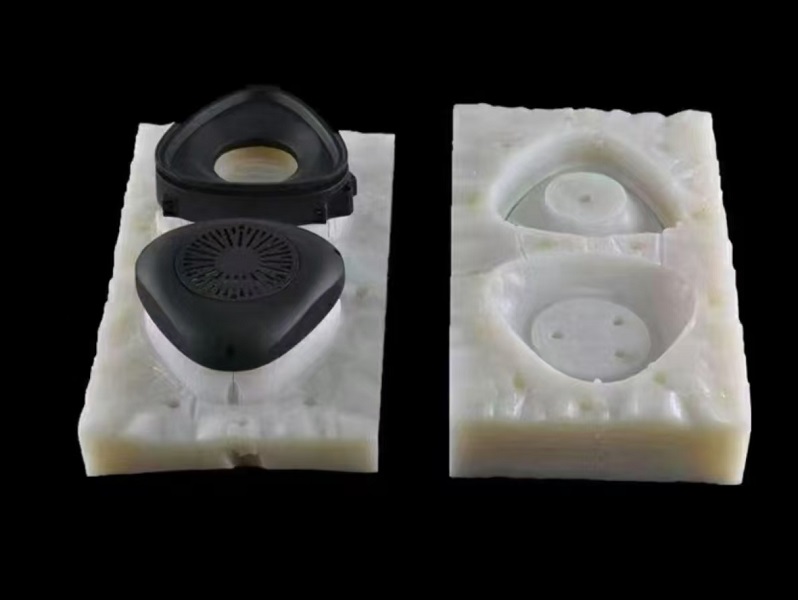
Vacuum casting
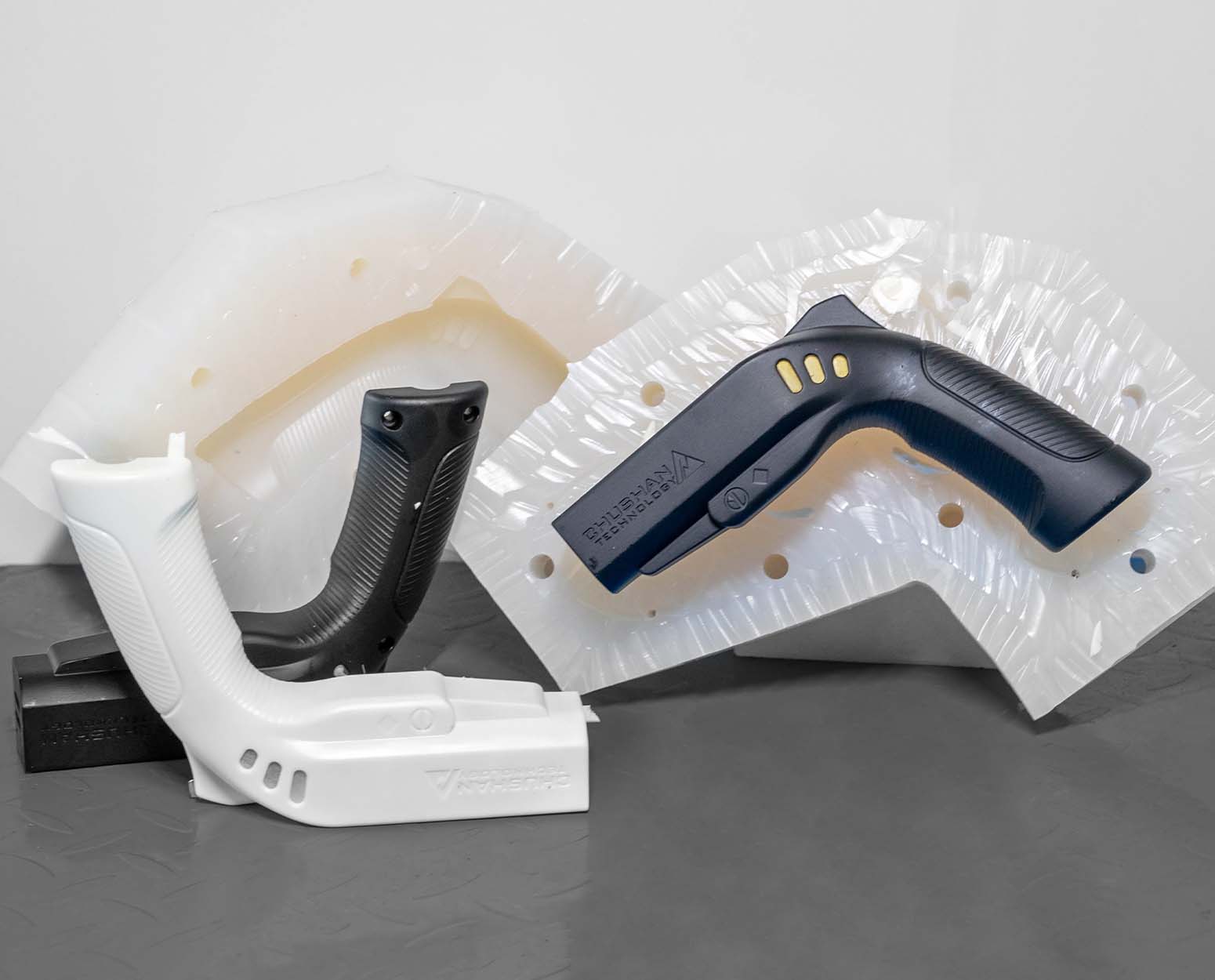
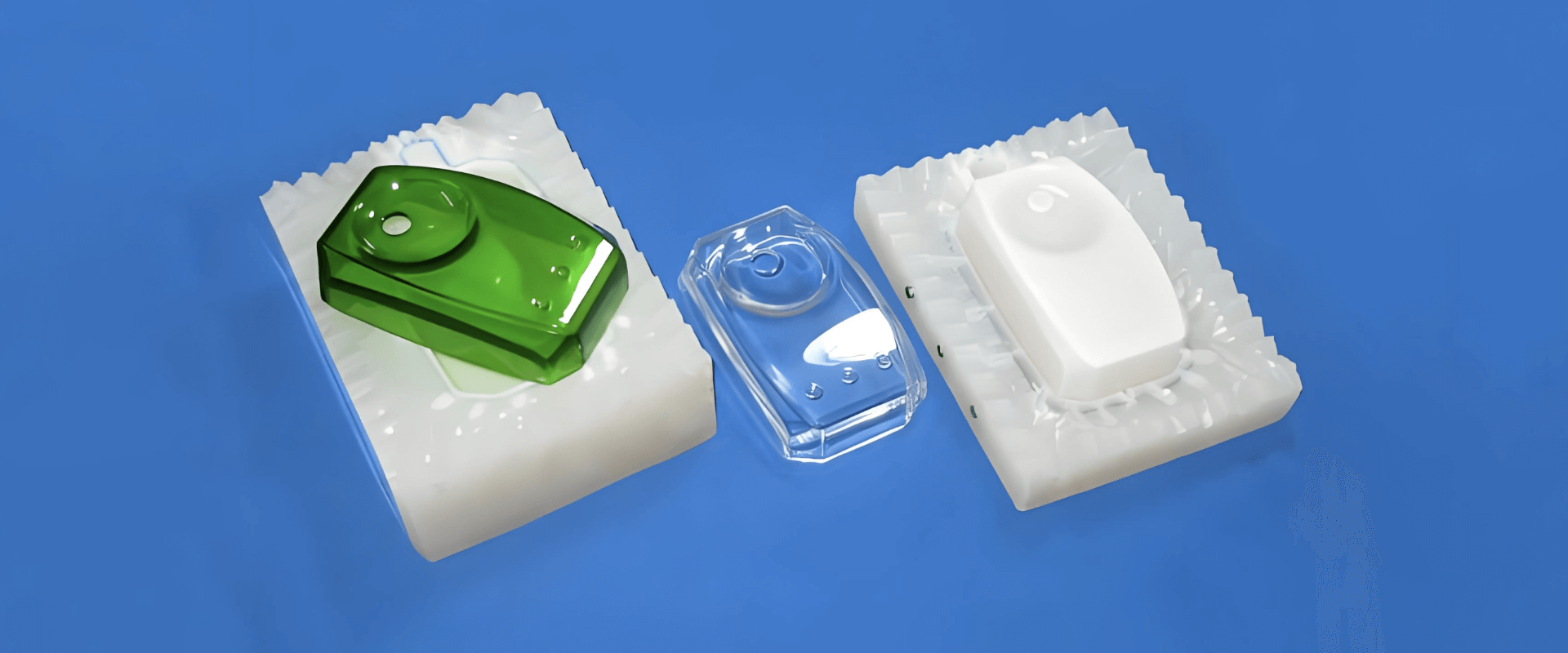
Vacuum Casting is a rapid prototyping and low-volume manufacturing process used to produce high-quality plastic or rubber parts with properties similar to injection-molded components. It involves pouring liquid resin into a silicone mold under vacuum conditions to eliminate air bubbles and ensure precise replication of the master pattern.
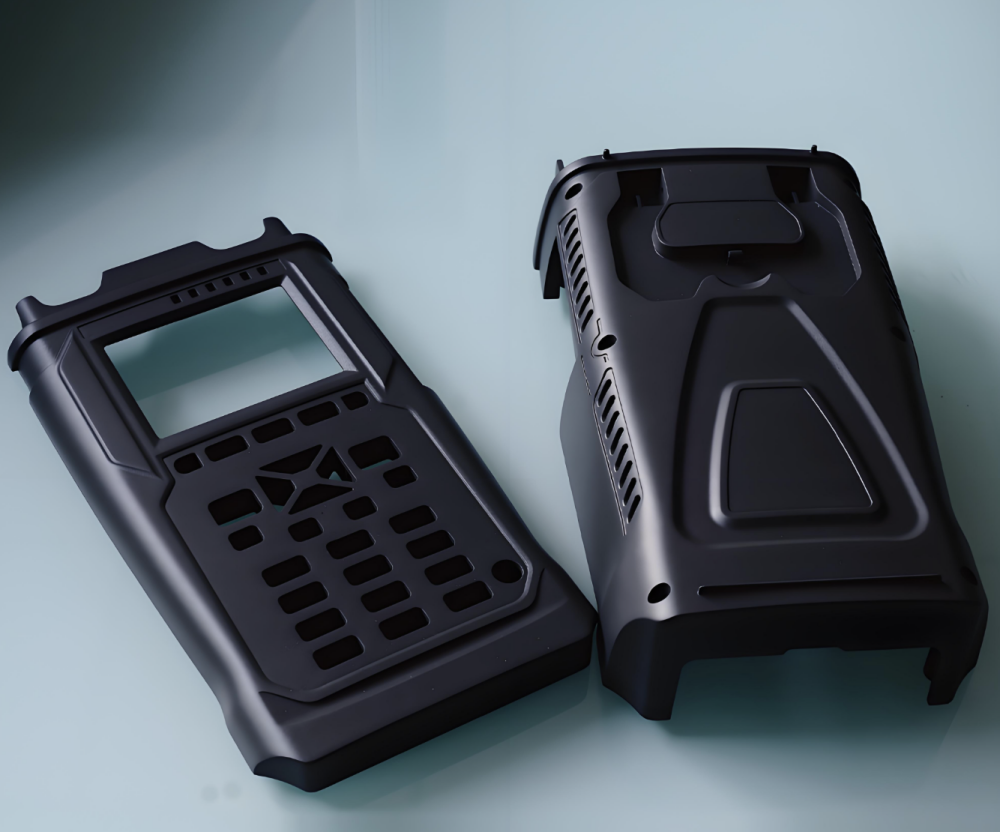
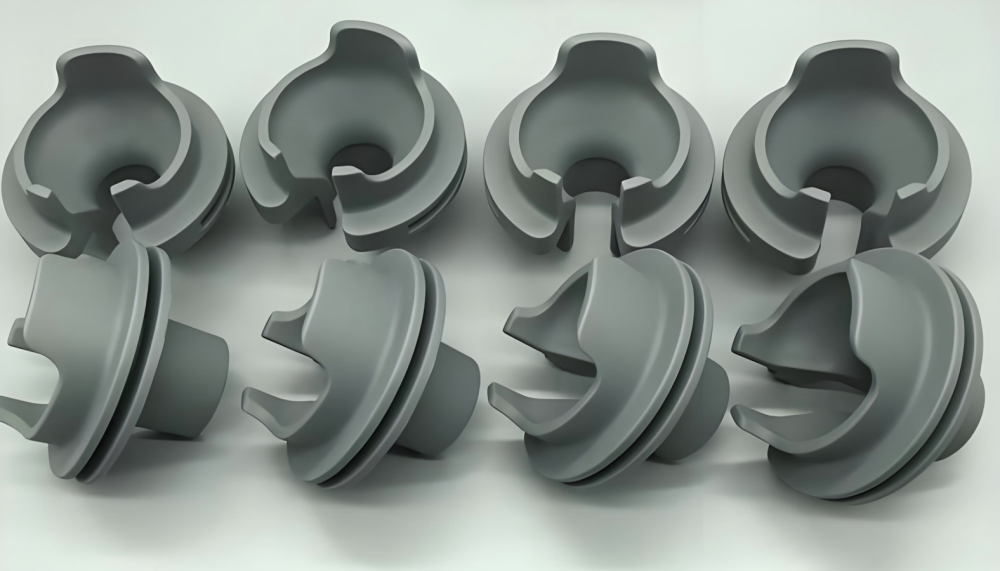
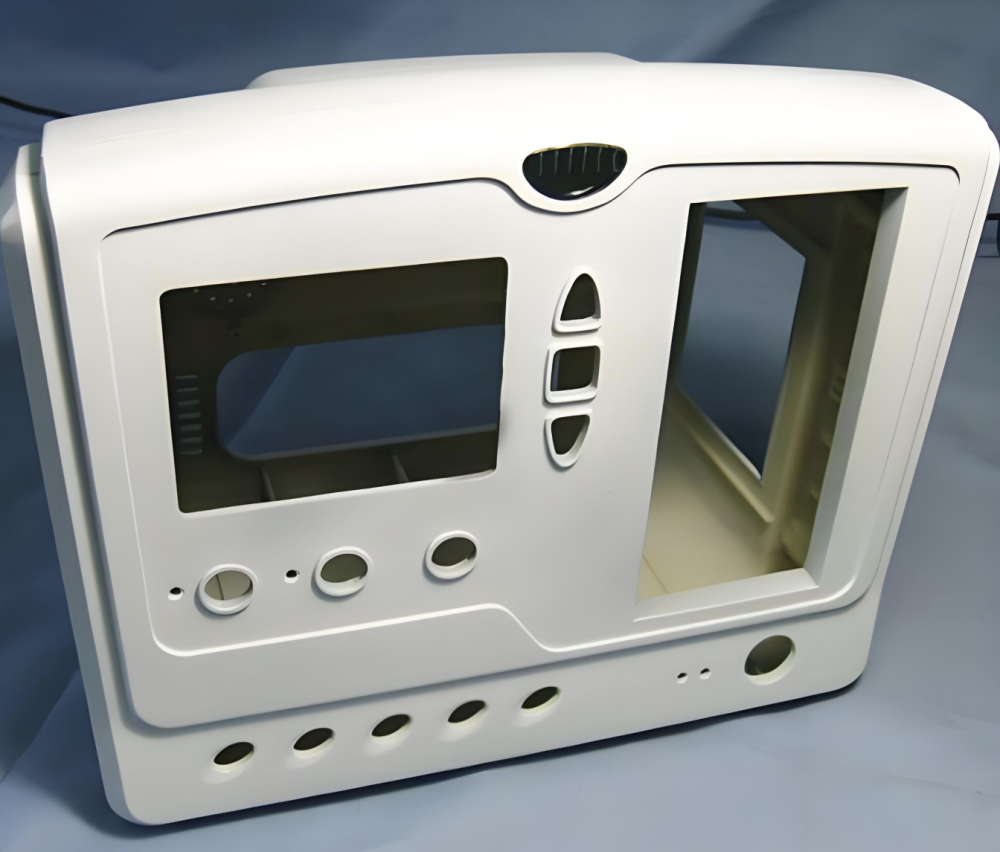
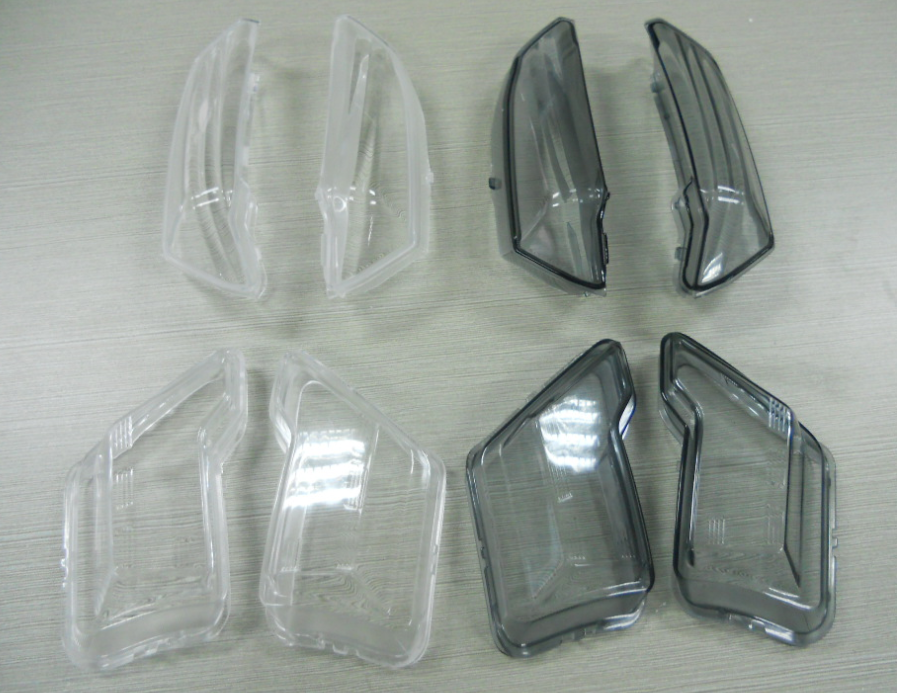
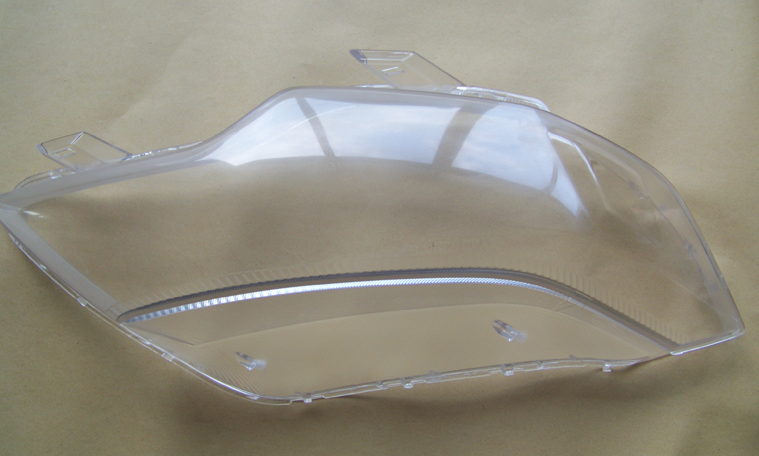
We offer a complete solution for creating master patterns and cast copies based on your CAD designs. We not only make high-quality molds but we also offer a full line of finishing services including painting, sanding, pad printing and more. We’ll help you create parts for showroom quality display models, engineering test samples, crowdfunding campaigns and more.
Max size: 2000*1000*1000mm
Hardness: 30 -90 shore A
Tolerance: DIN ISO 2768- M
At KINGPOW , we can cast parts,large and small, materials ABS, PP, POM, PC, PMMA, TPU, Silicone,etc;the Precision can rearch ±0.2/100mm and Max Pouring Size: 2000*1200*1000mm;feel free to contact us for a quote.
Vacuum Casting Process
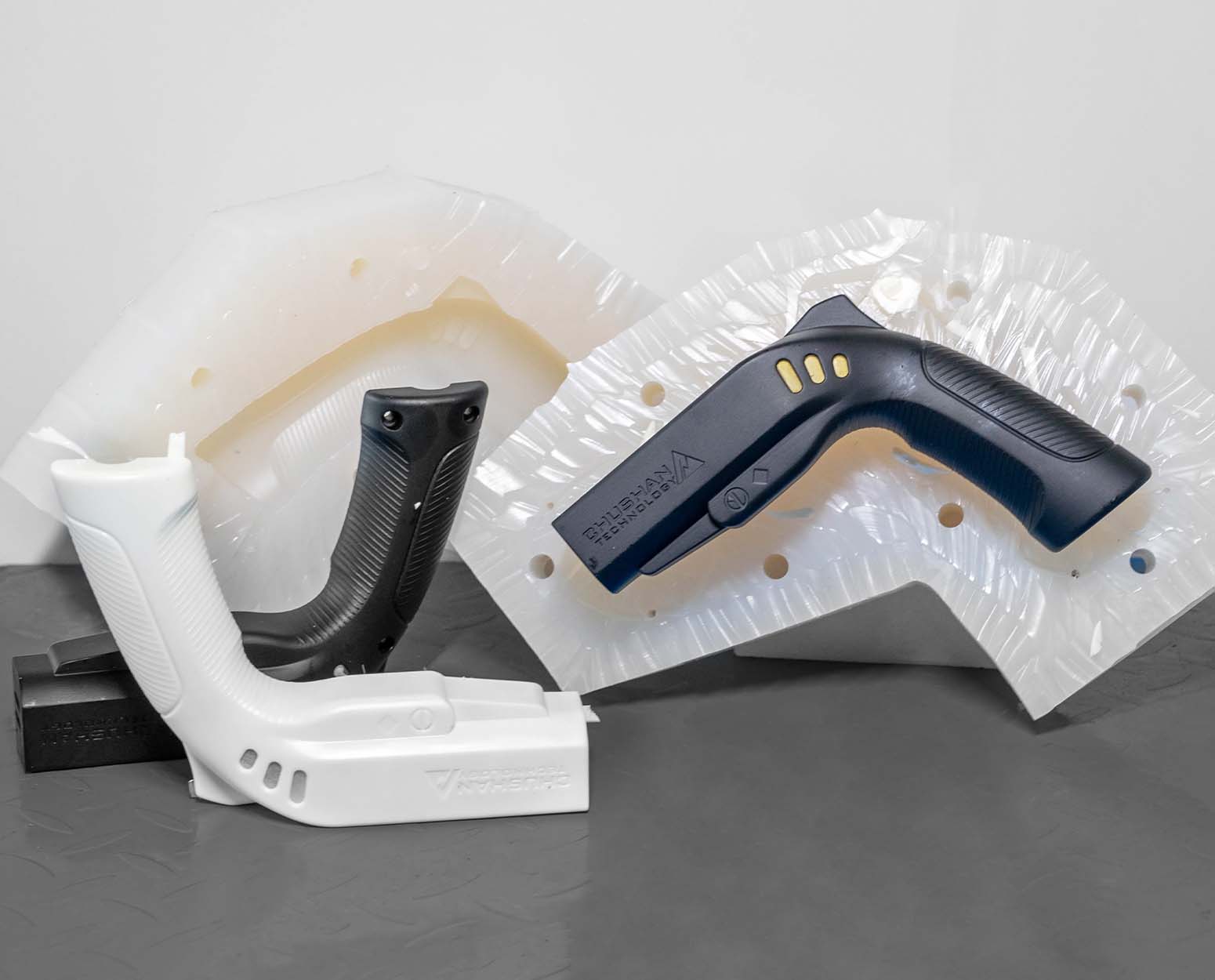
There are three steps to making polyurethane vacuum cast parts: making the master pattern, making molds and casting the parts.
Step 1. Master Patterns
Patterns are 3D solids of your CAD designs. They are usually made by CNC machining or with 3D plastic printing such as SLA/SLS. You can supply your own patterns or we can make them for you. Patterns need to be able to withstand heating to 40°C.
Step 2. Making the Molds
Casting molds are made from liquid silicone. This silicone is poured around the master pattern inside of a casting box, and then allowed
to cure in an oven for 16 hours. Once dried, the mold is cut open and the master removed, leaving behind an empty cavity in the exact
negative shape of the original.
Step 3. Casting Copies
Your choice of casting resins can now be poured into the empty cavity to create a highly accurate copy of the original. It’s even possible
to overmold with two or more materials. Silicone molds are typically good for 20 or so copies of the master pattern.
Vacuum Casting Tolerances
The finished dimensions of vacuum cast parts are dependent on the accuracy of the master pattern, the part’s geometry and the type of
casting material used. Generally a shrinkage rate of 0.15% is to be expected.
Vacuum Casting Materials
Hundreds of casting polymers are commercially available to reproduce any conceivable hardness and surface texture. It is also possible to make parts that are fully opaque, translucent or completely transparent depending on your application. See more information on available materials